

Trade Payables Definition I Growfin AR Glossary
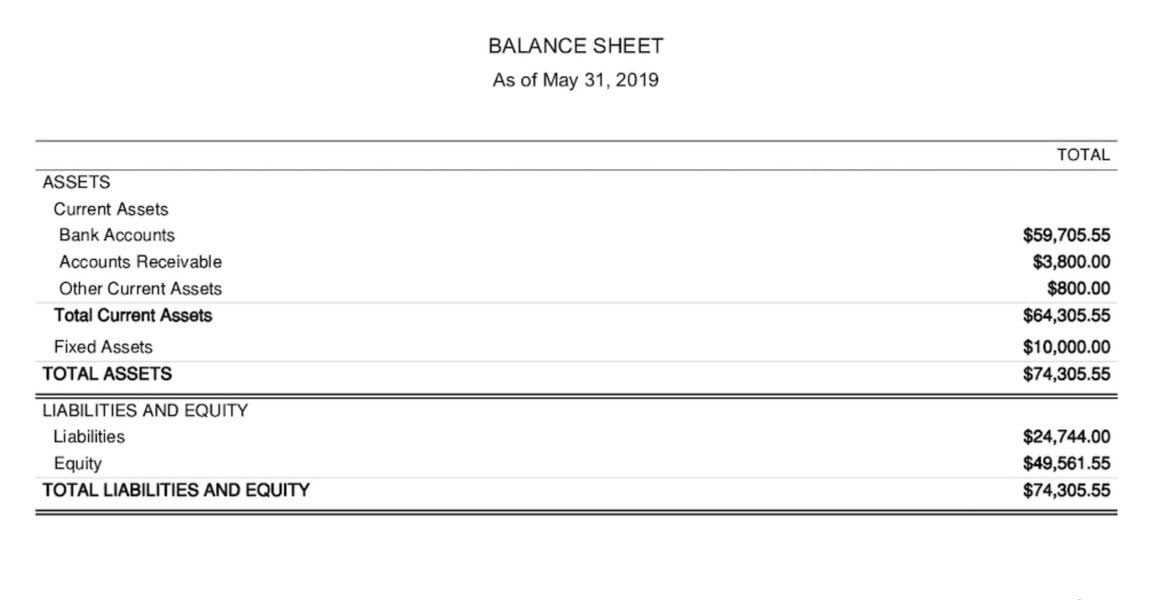
The payables concept also applies to households, where examples of payables are mortgage invoices, doctor’s bills, and utility statements. They are referred to as uncommon and insignificant, like the major accounts of current liabilities as trade payables, accounts payable, income taxes payable. Other payables are listed under the liabilities side of the firm’s balance sheet. Before anything else, non-trade payables are transactions which are not related directly to the core operating business of the company.
- For instance, assume “Hero” is a company that prepares and sells various bakery items.
- AP includes all operational expenses, while TP focuses on raw materials and inventory.
- You own a restaurant and order ingredients like tomatoes and lettuce for its daily menu; those purchases are considered trade payables.
- Manual processing can lead to errors, lost invoices, and delays, affecting payment schedules and supplier trust.
Trade Payables Examples

Like trade payables, they are registered in accounts only when sales are made on credit. For instance, the goods have been delivered but payment has not yet been made in full. Trade payables represent the amounts a company owes to its suppliers for goods and services. Trade receivables, on the other hand, are the funds that businesses are set to receive for the products they’ve sold. The credit period for trade payables is generally between accounting 30 and 60 days. If they relate to operational business expenses, then they need to be settled within a month.

Accounts Payable Turnover in Days
They also credit the accounts payable account and debit whichever account closely represents the payment’s nature, such as an asset or an expense. There’s an inverse relationship between cash flow and trade accounts payable trade payables — if the latter increases, the former decreases. This means by incurring the short-term expenses, businesses can improve their cash flow temporarily. As companies pay the short-term liabilities down, their cash decreases. As a result, they are able to spend less in other areas of the business. Since businesses can make purchases from vendors without cash on hand, they can avoid raising additional funds or seeking financial assistance from a bank.
- It specifically refers to any amounts owed expected to be paid within one year or less (usually due in 30 to 60 days).
- For example, if an invoice has a date of September 1 and should be paid in 30 days, then it is logged in as of September 1, so that the accounting system will pay it on September 30.
- A higher Trade Payable Turnover Ratio indicates prompt payments to suppliers, reflecting good credit management practices.
- While the business size ultimately determines the role accounts payable plays, AP fulfills at least three essential functions besides paying bills.
Trade Payables in Accounting
The creditor, on the other hand, is the supplier or vendor who provided the goods or services. So while trade payables represent what is owed, the creditor is the party the payment is owed. Accounts payable (AP) refers to the amount of money a business owes to its suppliers or vendors for goods and services received but not yet paid for. They are considered short-term liabilities and are typically due within 30 to 90 days. Managing trade payables not only keeps things running but also ensures businesses avoid late fees, improve cash flow, and build stronger supplier relationships. When companies receive supplies or services without paying immediately, they create trade payables.
Importance of Trade Payables

Weak controls increase the risk of financial loss and audit issues, making proper verification and approval checks essential. Missed payments on short-term obligations are probably the biggest factor in strained relationships between trade creditors and buyers. One way to show a trade creditor you’re a good partner is to have a good creditors turnover ratio. This figure shows how often you pay a trade creditor in a given time period. If you buy any costs of fulfillment on credit, you need less capital on hand to make big purchases necessary to your operations.
- These are residual trade or non-trade payables that have not been specified by the company or regulations or do not meet the criteria of being classified separately.
- Concrete guidelines are essential because of the value and volume of transactions during any period.
- Inadequate monthly cash flow means you won’t have enough cash at hand to pay your bills on time, which means trouble with your suppliers.
- Since businesses can make purchases from vendors without cash on hand, they can avoid raising additional funds or seeking financial assistance from a bank.
- It is the total amount receivable to a business for sale of goods or services provided as a part of their business operations.
- Trade payables are for items directly related to running the business operations, like inventory or raw materials.
Monitor Accounts

If your trade payables keep rising faster than your revenue, it might signal cash flow pressure or over-dependence on supplier credit. Poor management can result in missed payments, late fees, or financial instability, affecting the company’s credit and reputation. Trade Payables carry a higher risk if not managed properly, as late payments can damage supplier relationships and lead to supply disruptions. Think about when you order food online and choose “pay later” because it gives you breathing room. Companies do the same Accounting Errors with Trade Payables, using credit from suppliers to get what they need today and pay later.
No Comments